Valves control, isolate and protect every piping system. Choosing the wrong one can mean leaks, poor flow control or a failure under pressure. This guide explains the main types of valves, what each one does, and where it should be used in water, steam, oil and gas lines.
Isolation valves: on or off
Isolation valves are designed to be fully open or fully closed. They let you shut off part of a system for maintenance without draining everything.
- Gate valves lift a wedge out of the flow path. When fully open they give almost no restriction, which makes them good for main lines. They are slow to operate and should not be used to throttle flow.
- Ball valves use a drilled ball that turns a quarter turn. They are quick to operate, seal tightly and are the most common valve in domestic and light industrial plumbing.
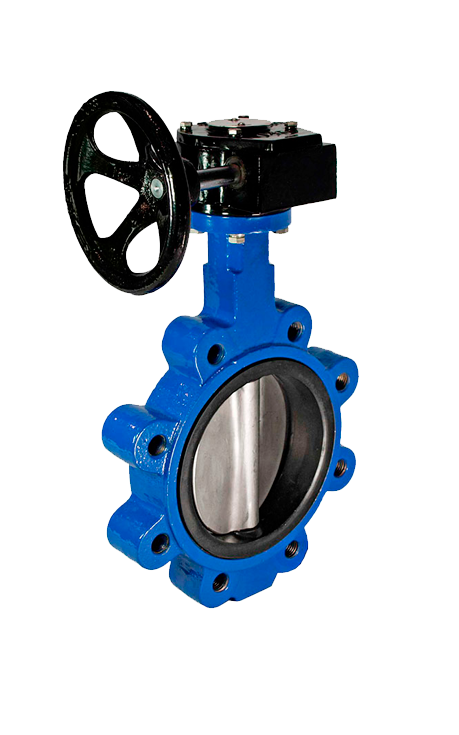
- Butterfly valves use a disc that rotates in the flow. They are compact and light in larger sizes, which makes them popular in water treatment, HVAC and pump stations.
Control valves: adjusting flow
Globe valves move a plug onto a seat and are designed for throttling. They are common on steam lines, boiler feeds and where flow needs fine adjustment. Needle valves give very fine control on small instrument and gauge lines. Where the flow must change automatically, solenoid valves and motorised valves are used. See our solenoid valves.
Protection valves: keeping the system safe
- Check valves (non-return valves) allow flow in one direction only. They stop water running back into a pump or borehole when the pump stops.
- Safety and relief valves open automatically when pressure exceeds a set point. They are essential on boilers, pressure vessels, compressors and hot water cylinders.
- Pressure reducing valves bring high supply pressure down to a safe level for fittings and appliances.
- Y strainers are not valves but sit beside them, catching debris before it reaches pumps, meters and control valves.
Matching the valve to the job
| Application | Common valve choices |
|---|---|
| Domestic water isolation | Brass ball valves, gate valves |
| Pump discharge | Check valve plus gate or butterfly valve |
| Steam lines | Globe valves, bellow seal valves, steam traps, safety valves |
| Large water mains and HVAC | Butterfly valves |
| Boilers and pressure vessels | Safety valves, globe valves, gauge cocks |
| Gas lines | Ball valves rated for gas, regulators |
Body materials and end connections
Brass and bronze are common for water in smaller sizes. Cast iron and ductile iron are used for larger water and HVAC valves. Cast steel and forged steel suit steam and higher temperatures, while stainless steel suits food, chemical and hygienic lines. Threaded ends are common up to around 2 inches; flanged ends are normal for larger sizes and high-pressure work. Always confirm the pressure rating and temperature limit on the valve body or data sheet before installing it.
Find gate, globe, ball, butterfly, check and safety valves in our valves category, plus matching flanges and gaskets for flanged installations.
Installation tips
- Check the flow arrow on check valves, globe valves and strainers before fitting.
- Do not use a gate valve half open to control flow; the wedge will wear and vibrate.
- Leave space around valves so they can be operated and serviced.
- Fit a strainer upstream of control valves and pumps.
- Have safety valves tested and set by a competent person.
Frequently asked questions
What is the difference between a gate valve and a ball valve?
Which valve is best for controlling flow?
Where should a check valve be installed?
Can I use a water valve on a steam line?
Do you stock valves in Nairobi?
Need valves for a project? Send us the size, pressure, medium and connection type on WhatsApp 0726 086 895 and we will help you select the right valve.