
Shop GI pipe fittings and galvanised pipes in sizes from 1/2 inch to 4 inch. Use the size buttons to jump straight to the elbow, nipple, socket, tee or pipe size you need.
Shop by size
Showing 1–24 of 69 results
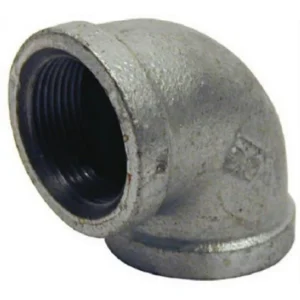
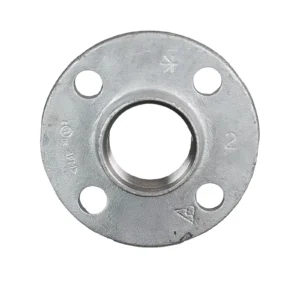
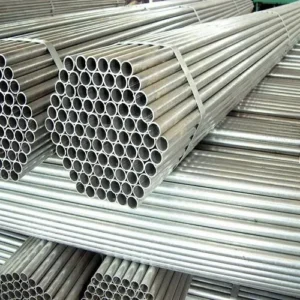
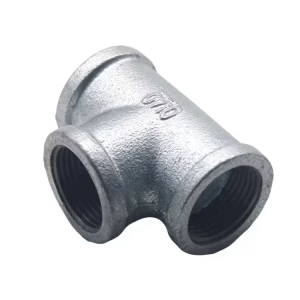
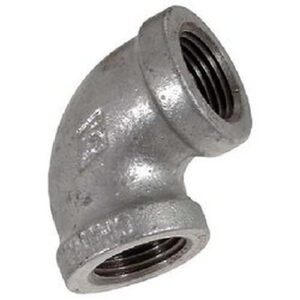
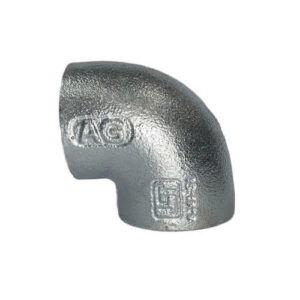
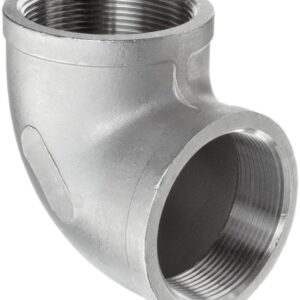
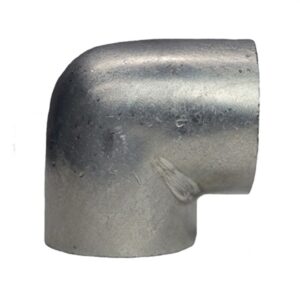
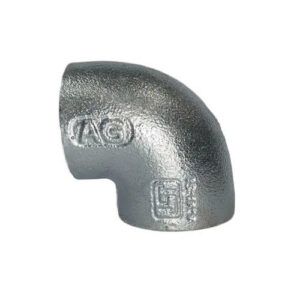
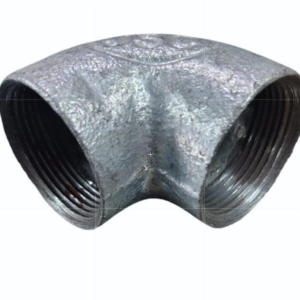
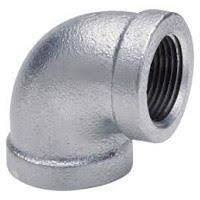
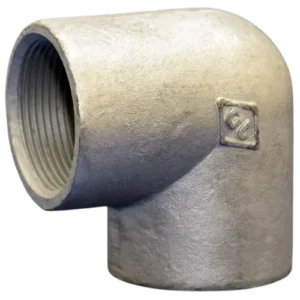
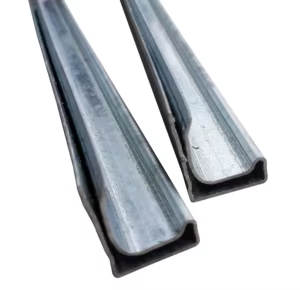
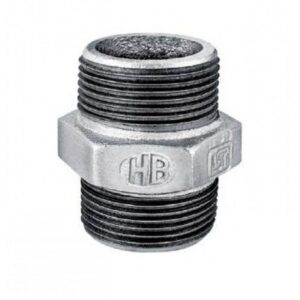
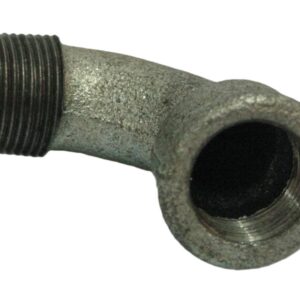
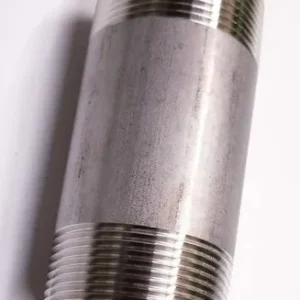
What are GI pipe fittings?
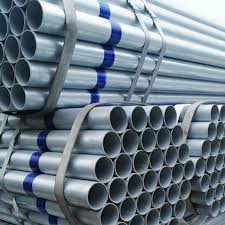
GI stands for galvanised iron, although the material is actually steel coated with a layer of zinc. The zinc slows rust, so GI pipes and fittings last well in water supply, fire lines and exposed outdoor runs. Most GI fittings join with tapered BSP threads, sealed with PTFE tape or hemp and paste.
GI pipe is often described by class. Under the older BS 1387 standard, Class A, B and C refer to light, medium and heavy wall thickness. Heavier walls handle higher pressure and more mechanical abuse, so they suit buried or high-pressure lines.
How to choose GI pipes and fittings
- Match the fitting size to the pipe's nominal size, for example a 1 inch elbow on 1 inch pipe.
- Pick the pipe class for your pressure and location; heavier classes suit buried and high-pressure lines.
- Seal threads with PTFE tape or a suitable paste, wrapping in the direction of the thread.
- Avoid over-tightening, because cracked threads cause slow leaks.
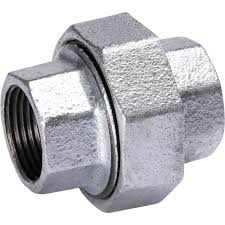
- Use a union where you may need to remove a pump, meter or valve later.
- Separate GI from copper with a dielectric or brass fitting to limit corrosion.
Applications of GI pipe fittings
- Water supply mains. Carrying municipal and borehole water to buildings and storage tanks.
- Exposed outdoor runs. Protecting pipework on walls and roofs where impact is likely.
- Fire hydrant lines. Feeding hose reels and hydrants with strong, threaded pipework.
- Tank connections. Linking elevated and ground tanks to supply and overflow lines.
- Pump installations. Connecting pumps, pressure switches and gauges with threaded joints.
- Compressed air. Distributing air in workshops and garages.
- Farm water points. Supplying troughs, taps and standpipes on farms.
- Handrails and frames. Building rails, gates and supports from GI pipe and fittings.
- Older building repairs. Matching existing GI systems during renovations.
- Institutional plumbing. Serving schools, hospitals and barracks with durable lines.
Why choose Sparks Plumbing Experts
- Every common pipe materialGI, PPR, PVC, HDPE, brass and stainless fittings are all stocked, so you can match any existing system.
- Common sizes in stockMost fitting types come in several sizes, from small domestic sizes up to larger mains sizes.
- Pipes, fittings and valves togetherPipes, fittings, valves, clamps and jointing products come in one order.
- Help with thread and size standardsWe help you confirm inch and millimetre sizes before you buy, which avoids return trips.
- Visit or collect in NairobiOur store is at KCB Building, Enterprise Road, in the Industrial Area, so you can see parts before you buy or collect your order.
- Quotes your wayAsk for prices by phone, WhatsApp, email or the online quote form, whichever suits you on site.
- Over 1,600 products in one placeOur catalogue covers 55 categories, so one supplier can handle most of your parts list.
- Help choosing the right partSend a nameplate photo, a drawing or the old part, and we help you match size and specification.
- Single items or project quantitiesWe price a single replacement part just as readily as a full site order.
- Supply across East AfricaWe serve customers across Kenya, and we also supply buyers in Uganda and Tanzania.
Frequently asked questions
What does GI mean in plumbing?
GI means galvanised iron. In practice it is steel pipe coated in zinc to resist rust.
What sizes of GI fittings do you stock?
Our GI elbows, nipples and sockets run from 1/2 inch to 4 inch, and tees from 1/2 inch to 2 inch. Use the size buttons to see each size.
What is the difference between GI Class A, B and C?
They describe wall thickness under the older BS 1387 standard: light, medium and heavy. Heavier classes handle more pressure and abuse.
Is GI pipe safe for drinking water?
GI has long been used for water supply. However, old GI can corrode inside, so many new installations use PPR or HDPE instead.
How do I seal GI threads?
Wrap PTFE tape clockwise around the male thread, or use hemp with jointing paste, then tighten firmly without forcing.
What is a GI nipple?
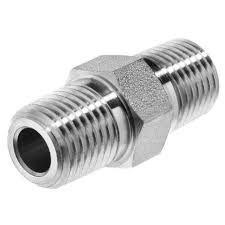
A nipple is a short pipe piece threaded on both ends. It joins two female fittings, such as a valve and an elbow.
Do you deliver GI pipes outside Nairobi?
We supply customers across Kenya, and we also serve buyers in Uganda and Tanzania. Delivery options come with the quote.
How much do GI pipe fittings cost?
Prices depend on size, class and quantity. Request a quote with your list for current prices.
People also search for
GI pipe sizes in Kenya
Common GI sizes run from 1/2 inch for house connections up to 4 inch and larger for mains and fire lines.
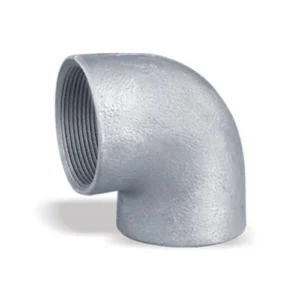
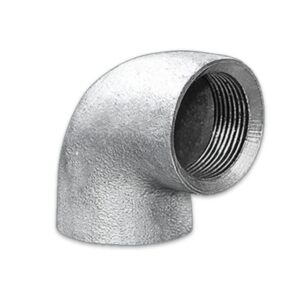
GI elbow vs bend
An elbow turns sharply in a short body, while a bend turns gradually and reduces flow resistance. View GI M/F Bend.
GI socket vs nipple
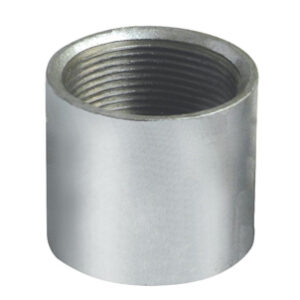
A socket has female threads at both ends and joins two pipes. A nipple has male threads and joins two female fittings.
GI pipe Class B meaning
Class B is the medium wall thickness under the older BS 1387 standard, often used for general water supply.
GI vs PPR pipes
PPR does not rust and is quicker to install indoors, while GI resists impact better on exposed runs. Browse PPR Pipes & Fittings.
How to cut and thread GI pipe
Cut square with a pipe cutter, ream the burr, then thread with a die and cutting oil before fitting.
GI union fitting
A union lets you separate two pipes without turning them, which is useful at pumps and meters. View Galvanized Union.
Galvanised pipe rust problems
Old GI can rust inside and reduce flow. Replacing badly corroded sections restores pressure and water quality.
GI fittings for borehole
GI risers are still used on some boreholes, although HDPE is now common because it does not corrode. Browse HDPE Pipes & Fittings.
GI pipe price in Kenya
GI prices depend on class, size and length. Send your list for a current quote. Request a quote.
Further reading
- Galvanization (Wikipedia)
- British Standard Pipe (BSP) threads (Wikipedia)
- Thread seal tape (PTFE tape) (Wikipedia)