
Our PPR pipes and fittings cover hot and cold water plumbing, from elbows, tees and couplers to valves, brass-threaded adapters, pipe clips and the welding machine that joins them.
Showing 1–24 of 43 results
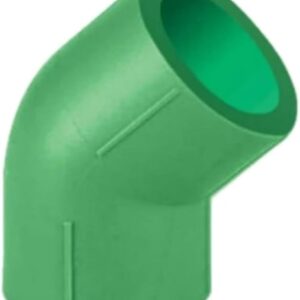
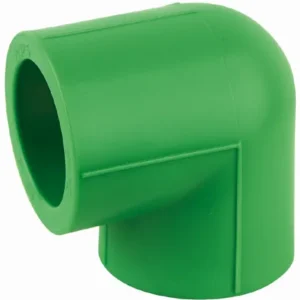
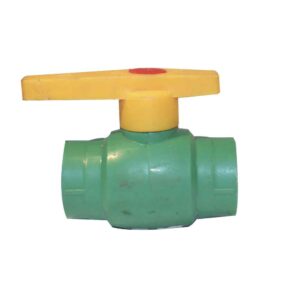
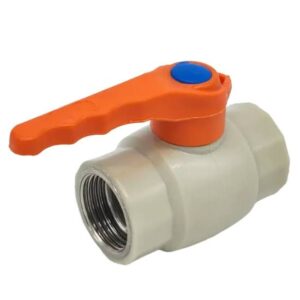
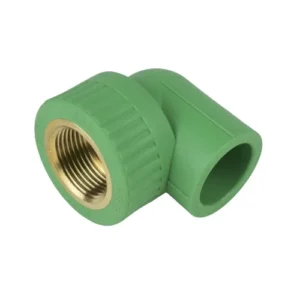
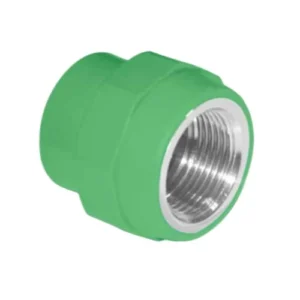
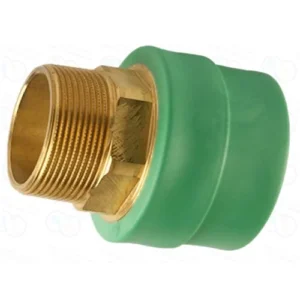
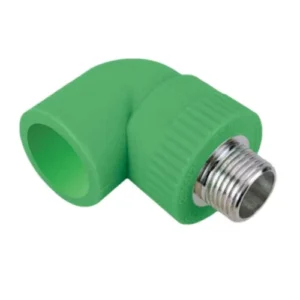
What are PPR pipes and fittings?
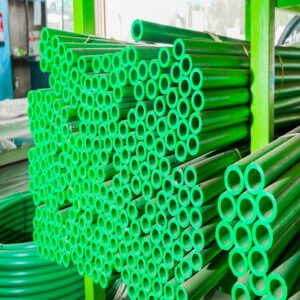
PPR stands for polypropylene random copolymer, a plastic made for pressure water pipes. It does not rust or scale easily, and it handles hot water within its rated limits. As a result, PPR is now a common choice for water lines inside homes, hotels and offices.
PPR joins by heat fusion. A welding machine heats the pipe end and the fitting socket, typically at about 260 °C, and then you push them together. The two parts fuse into one piece, so a good joint has no seal to fail.
How to choose and install PPR
- Match fittings to the pipe's outside diameter in millimetres, for example 20, 25 or 32 mm.
- Choose a pipe pressure rating suited to hot or cold service, as hot lines need a higher rating.
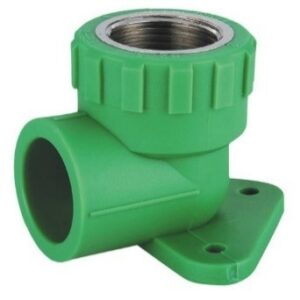
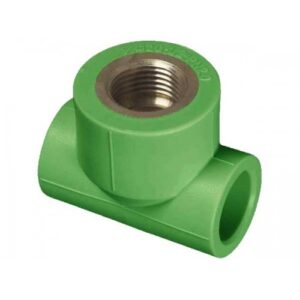
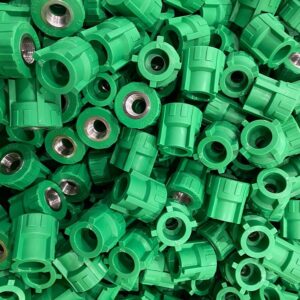
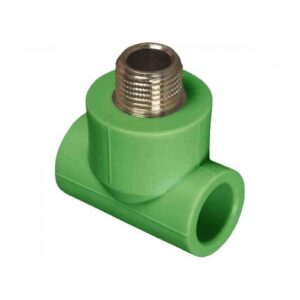
- Use brass-insert threaded fittings where PPR meets taps, valves or GI pipe.
- Cut pipe square with a PPR cutter and clean both parts before welding.
- Follow the heating time for each size, and do not twist the joint while it cools.
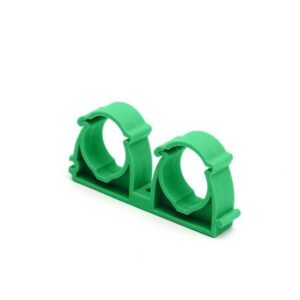
- Support pipes with clips at regular spacing, especially on hot water runs.
Applications of PPR pipes and fittings
- Hot water lines. Feeding showers, kitchens and laundries from geysers and solar heaters.
- Cold water plumbing. Running mains water through homes, flats and offices.
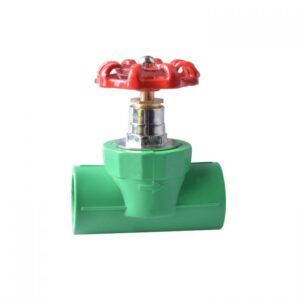
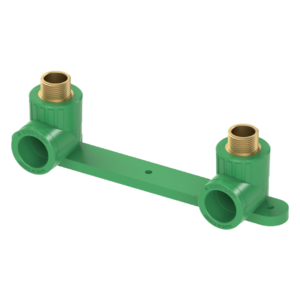
- Concealed wall piping. Installing pipes inside walls with concealed valves and fused joints.
- Bathroom fit-outs. Connecting mixers, basins and toilets with brass-threaded PPR fittings.
- Hotels and hostels. Supplying many rooms with hot and cold water reliably.
- Hospitals and clinics. Carrying clean water where corrosion-free pipe matters.
- Tank connections. Linking storage tanks with PPR tank connectors and valves.
- Solar water heating. Running flow and return lines within the pipe's temperature rating.
- Renovations. Replacing rusty GI lines with PPR using threaded transition fittings.
- Light industrial water. Supplying wash bays and process rinsing in small factories.
Why choose Sparks Plumbing Experts
- Every common pipe materialGI, PPR, PVC, HDPE, brass and stainless fittings are all stocked, so you can match any existing system.
- Common sizes in stockMost fitting types come in several sizes, from small domestic sizes up to larger mains sizes.
- Pipes, fittings and valves togetherPipes, fittings, valves, clamps and jointing products come in one order.
- Help with thread and size standardsWe help you confirm inch and millimetre sizes before you buy, which avoids return trips.
- Visit or collect in NairobiOur store is at KCB Building, Enterprise Road, in the Industrial Area, so you can see parts before you buy or collect your order.
- Quotes your wayAsk for prices by phone, WhatsApp, email or the online quote form, whichever suits you on site.
- Over 1,600 products in one placeOur catalogue covers 55 categories, so one supplier can handle most of your parts list.
- Help choosing the right partSend a nameplate photo, a drawing or the old part, and we help you match size and specification.
- Single items or project quantitiesWe price a single replacement part just as readily as a full site order.
- Supply across East AfricaWe serve customers across Kenya, and we also supply buyers in Uganda and Tanzania.
Frequently asked questions
What does PPR stand for?
PPR means polypropylene random copolymer, a plastic used for hot and cold water pipes.
How are PPR pipes joined?
They join by heat fusion using a PPR welding machine, which melts the pipe and fitting so they fuse together.
Can PPR carry hot water?
Yes, within the rated temperature and pressure of the pipe. Choose a higher pressure rating for hot water lines.
How do I connect PPR to a tap or GI pipe?
Use a PPR fitting with a brass threaded insert, such as a threaded elbow, tee or adapter.
Do you sell PPR welding machines?
Yes, we stock a PPR welding machine with heating dies. Ask us which die sizes come with it.
What PPR fittings do you stock?
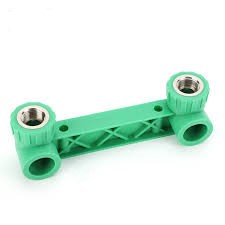
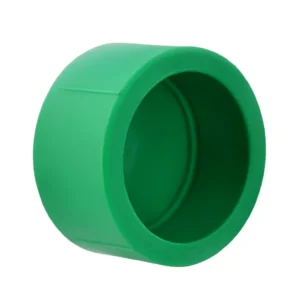
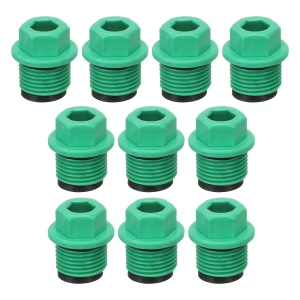
We stock elbows, tees, couplers, reducers, unions, end caps, plugs, crossovers, valves, clips and tank connectors.
Do you deliver PPR outside Nairobi?
We supply customers across Kenya, and we also serve buyers in Uganda and Tanzania. Delivery options come with the quote.
How much do PPR pipes and fittings cost?
Prices depend on size, pressure rating and quantity. Request a quote with your list for current prices.
People also search for
PPR vs PVC pipes
PPR handles hot and cold water and joins by fusion. PVC suits cold water and drainage and joins with solvent cement. Browse PVC, uPVC & CPVC Pipes & Fittings.
PPR welding temperature
PPR is commonly welded at about 260 °C. Heating time depends on pipe size. View PPR Welding Machine.
PPR pipe sizes in mm
Common sizes are 20, 25, 32, 40, 50 and 63 mm outside diameter.
PN16 vs PN20 vs PN25 PPR
The PN number is the nominal pressure in bar. Higher ratings have thicker walls and suit hot water.
PPR brass threaded fittings
These have a brass insert so you can screw on taps, valves or metal pipe. View PPR Brass Outer Threaded Adapter.
PPR concealed valve
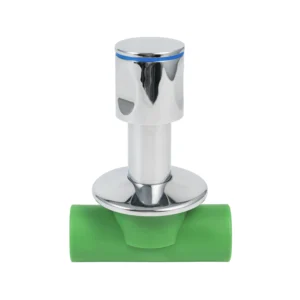
A concealed valve sits inside the wall with only the handle showing, often used in bathrooms. View PPR Concealed Valve.
PPR crossover fitting
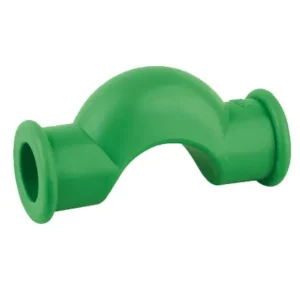
A crossover lets one PPR pipe pass over another without a separate bend. View PPR Crossover.
How to repair a leaking PPR joint
Cut out the faulty joint and weld in a new coupler, because a fused joint cannot be tightened.
PPR pipe clips spacing
Clip PPR at regular intervals and closer on hot lines, which expand more. View PPR Pipe Clip Single.
PPR price in Kenya
Prices depend on size and pressure rating. Send your list for a current quote. Request a quote.
Further reading
- Polypropylene random copolymer (PPR) (Wikipedia)
- Plastic pipework (Wikipedia)
- Plumbing (Wikipedia)